
Skip to content

Amiable Optimism

Activation

Positivity

Population

Needs
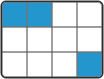
The Amiable Optimism state reflects an openhearted desire for kindness, warmth, and mutual goodwill, alongside a low tolerance for tension, aggression, or interpersonal discord.

AgileBrain shows that this is a socially expansive and emotionally generous state. The mood is inclusive, hopeful, and affiliative: Let’s work together. Let’s believe in each other. Let’s keep the peace. There’s a strong drive to maintain harmony—not as avoidance, but as a sincere expression of belief in human decency.

In this state, people tend to reach out, give others the benefit of the doubt, and try to lift group morale. But if conflict escalates, or if interpersonal dynamics turn cold or hostile, the emotional core of this state becomes quickly threatened.

To sustain Amiable Optimism, foster psychological safety and trust. Acknowledge kindness. Address conflict without blame. When the environment feels caring and non-hostile, this state can help infuse teams and communities with emotional resilience and joy.

Socially active, strong support network

Strong spirituality

Overwhelming positivity, most positive toward employer

Challenged by their current work, but well-resourced

Imposter syndrome

Innovative, extraverted, secure

Very high emotional intelligence

Lower than average levels of stress

Report they are working harder than ever, but highly satisfied

How to Approach & Probing Questions

The Amiable Optimism need state is easy to recognize: It is a state of confidence and self- assurance characterized by confidence in intentions. Emotional needs focus on achieving potential, material success, and social recognition, which all can be harnessed to fuel motivational energy to propel them into their plans. A potential blind spot for this need state is the tendency to believe in simply willing success into being without necessarily doing all the hard work that is normally required. Similarly, the tendency to externalize problems can make constructive problem solving more difficult. Action plans that focus on individuals in this need state as the protagonists of their own stories, emphasizing their personal control over the events of their lives, with clear outcomes as the goal of planning, will be particularly effective.

Most heavily skewed to positive, promotion needs

Your profile suggests that things are going quite well for you lately in this area.

  • Why do you think that is?

Tendency toward imposter syndrome

Do you ever ask yourself questions like:

  • “Did I earn my position, accomplishments, or recognition?”
  • “Am I even qualified for this opportunity?”
  • “I’ve been successful in the past, but was that due to luck?”

What do you think causes you to have those kinds of questions?

High emotional intelligence

  • How good are you at recognition emotions in yourself and others?
  • How do you use this understanding to manage uncomfortable situations?
  • How do you use this ability to create positive experiences for yourself and others?

Strong needs for fulfilling potential, material success, and social recognition

  • What are your goals for yourself in terms of your personal development?
  • What drives you to achieve?
  • Do you feel in control of your destiny?
  • Do you feel like you can ‘will’ success to happen?

Tendency to externalize sources of stress

Everyone experiences struggles at some point.

  • What are you struggling with right now?
  • What do you believe is the cause of this struggle?

Emotional Needs Profile

Need Skew Extremely Positive
Need Activation Moderate
Elevated Needs More: Safety, Potential, Autonomy, Immersion, Success, Inclusion, Caring, Recognition, Justice, Ethics, Purpose; Less: none

Psychological Profile

Personality Innovative, Extraverted, SecureCoping Style Externalize, No self blameLocus of Control ExternalImposter Syndrome HighValues Friendship, Self-Respect, Equality, Pleasure, Recognition, Beauty, ExcitementDegree of Self-actualization Moderate; limited by lack of agencyStress Level Low; Own physical health; Own/family emotional stateSelf Transcendence High; believe in larger purpose; mystical connections; fulfillment of prayer

Social Profile

Archetype (roles played) Sage, Artist, Hero, MagicianLoneliness Less lonelyEmotional Intelligence Highest EQ: recognize own & others emotions; can regulate own & others emotions, and utilize emotionsSocial Support Unsupported but safe at home; unmet care needs; strongest support networkCareer Values Purpose, Ethics, Justice, Immersion, AuthenticityApproach to Learning Love learning for its own sakeWork Attitudes Very challenged; lots of resources; connected to coworkers, not mgr; employer cares; monitoring of emotional wellbeing; expect no changes; relationship will strengthen; working harder than ever; most likely to have switched jobs recently; most likely to say “company cares”; least likely to quit; most likely to recommend; highest job satisfactionOccupational Profile Social, Enterprising, Investigative, ArtisticStrengths Relationships, Confident in strengths, Big picture, See patterns in chaos, Visionary, Motivated by breakdownsWork Types Open To Practical; flexibility; connect in person; be inspired by others; learn process and repeat it; solve problems; help those with emotional problems; work with others; make things; cyber security; care for others; being challenged; give inspiring presentations; being an expert; being creative; deadlines; organize chaos; career guidance; early adopter of tech

Personal Profile

Activities Professional and personal development, charity, social justiceFrequency of Checking Social Media Hourly

Coaching Profile

Coaching Status 2nd most likely to already have a coachCoaching Segment Authentics

Personal Profile

Highest indexes vs. Total (ranked) 1. Computing 2. Snow sports 3. Mountain biking 4. Meditation 5. Household size 6. Activities with partnerPolitics Conservative
Back To Top